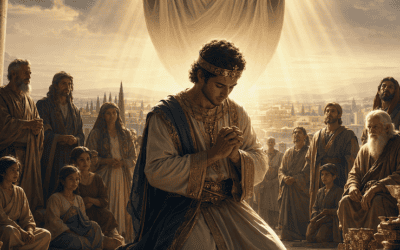


Paul had been faithfully preaching and teaching in Ephesus for over two years, during which many came to know Jesus and surrendered their lives to Him. At that time, the culture in Ephesus was steeped in idolatry, with many placing their faith in divination and magic spells. These practices were deeply ingrained, and people invested significant sums of money in idols and books containing these spells, reflecting the value they placed on such false hopes.
And many who had become believers came confessing and disclosing their practices, while many of those who had practiced magic collected their books and burned them in front of everyone. So they calculated their value and found it to be fifty thousand pieces of silver.
These new believers did not merely add Jesus to their existing pantheon of gods, treating Him as just another source of hope. Instead, they fully surrendered their lives to Him, placing their trust in Christ alone. Their repentance was marked by a decisive turning away from sin and false practices, as they embraced their new life in Christ. This act of surrender was publicly demonstrated through the burning of their expensive books of magic and spells. Considering that a piece of silver represented a day’s wage, the total value of these items could have been equivalent to between one and five million dollars in today’s terms. Such a significant sacrifice prompts us to consider: Why was this act so important, and why was it done publicly?
In this way the word of the Lord spread and prevailed.
The public nature of their repentance—evidenced by the sacrifice of items that held great cultural value but stood in opposition to Jesus—served as a powerful testimony. This act of surrender not only transformed the lives of those who repented but also impacted the entire region, leading to the spread and triumph of the word of the Lord. Their willingness to let go of what their culture esteemed, despite the cost, demonstrated the depth of their commitment to Christ and inspired others to consider the truth of the gospel.
What does repentance look like in our lives today? A dear friend once posed this question, and it remains a vital inquiry for every believer. If Jesus is truly the Lord of our lives, and if we are fully surrendered to God, then we must release everything in which we previously placed our hope or trust. This surrender often comes at a cost, and doing so publicly—especially when it involves letting go of things our culture values—can serve as a profound witness to those around us. Just as the Ephesians could not handle the truth of Christ while clinging to their false practices, we too may struggle to release the idols of our own culture, fearing the loss of what we once held dear. Yet, true repentance requires us to turn away from these things and trust in Christ alone.
What is God asking us to surrender? Are there things in our lives—perhaps habits, possessions, or beliefs—that we are tempted to trust in place of Him? The example of the Ephesians challenges us to examine our hearts and consider what we must relinquish to fully follow Christ. The result of their repentance was transformative: changed lives, both for those who repented and for those who witnessed their testimony. May we, too, surrender fully to God, allowing His word to spread and prevail in our world today.